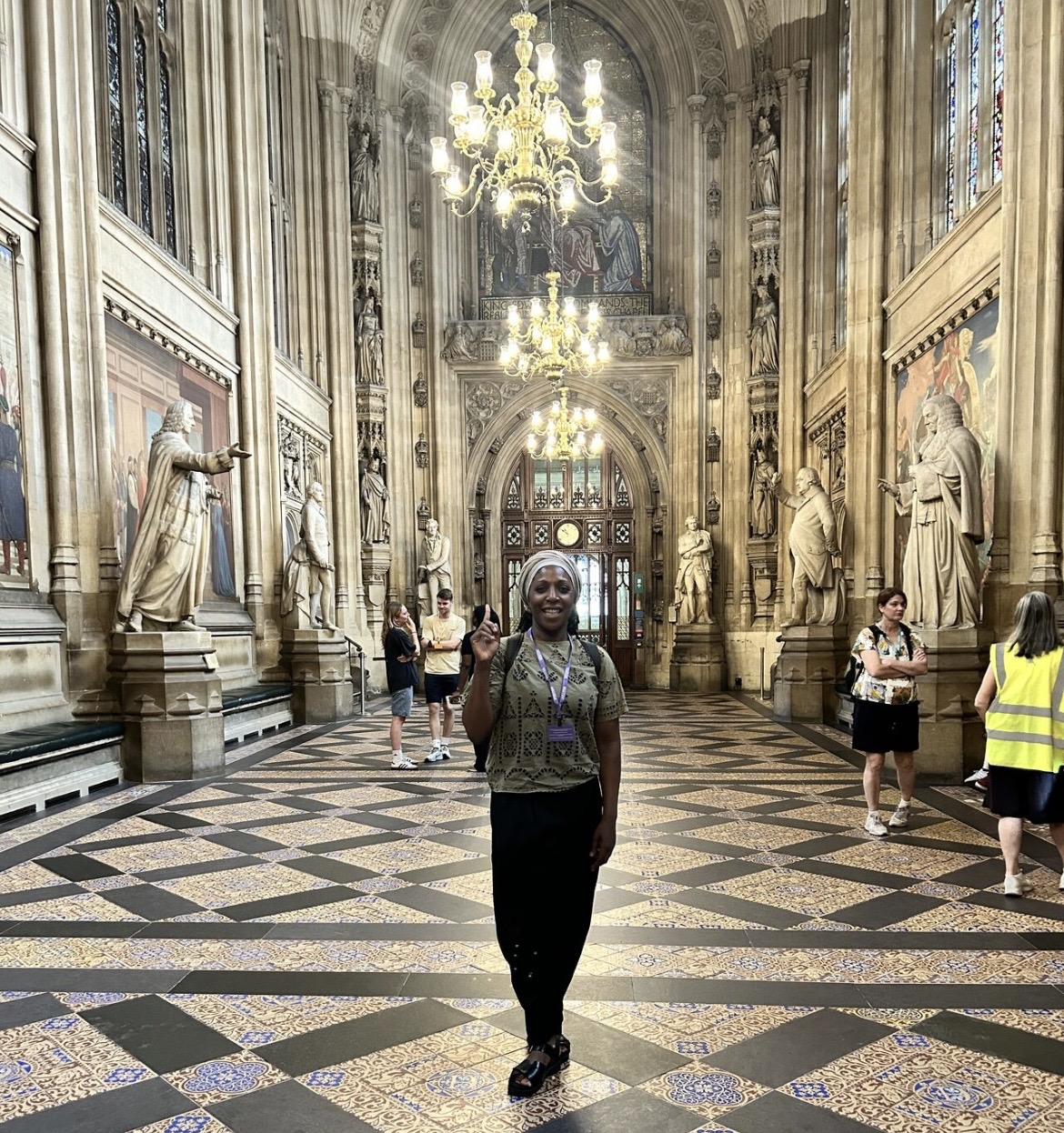
This is the fourth and final post in my series, The Future of Maths Education. To see how this journey evolved, catch up on the previous posts by reading Part 1 here, Part 2 here, and Part 3 here.
In this post, we look at why foundational numeracy is the ultimate, non-negotiable tool for navigating an AI-driven economy safely and equitably.
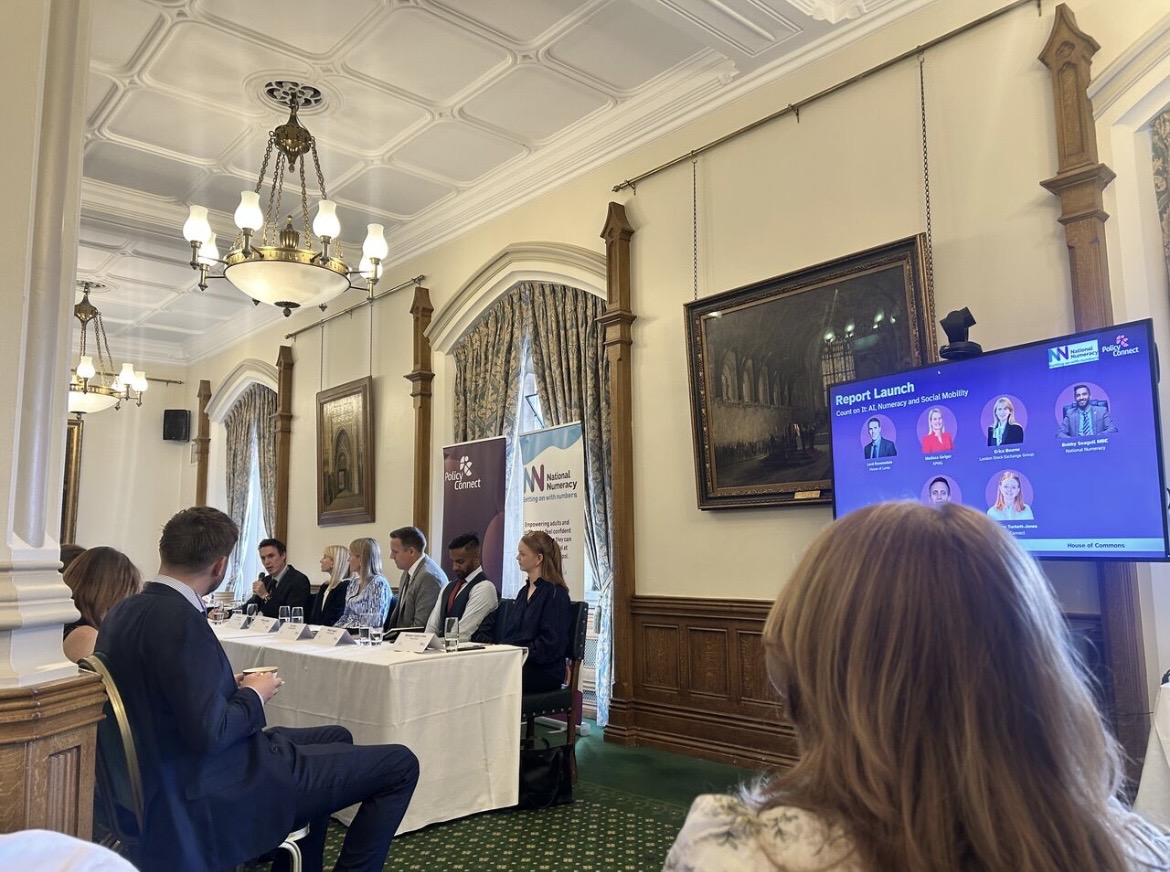
To conclude my 4-day reflection on the future of maths education, we are looking at a report launched at the House of Commons.
I was honoured to attend the parliamentary launch of the collaborative report by National Numeracy and Policy Connect, titled “Count on It: Numeracy, AI and Social Mobility”.
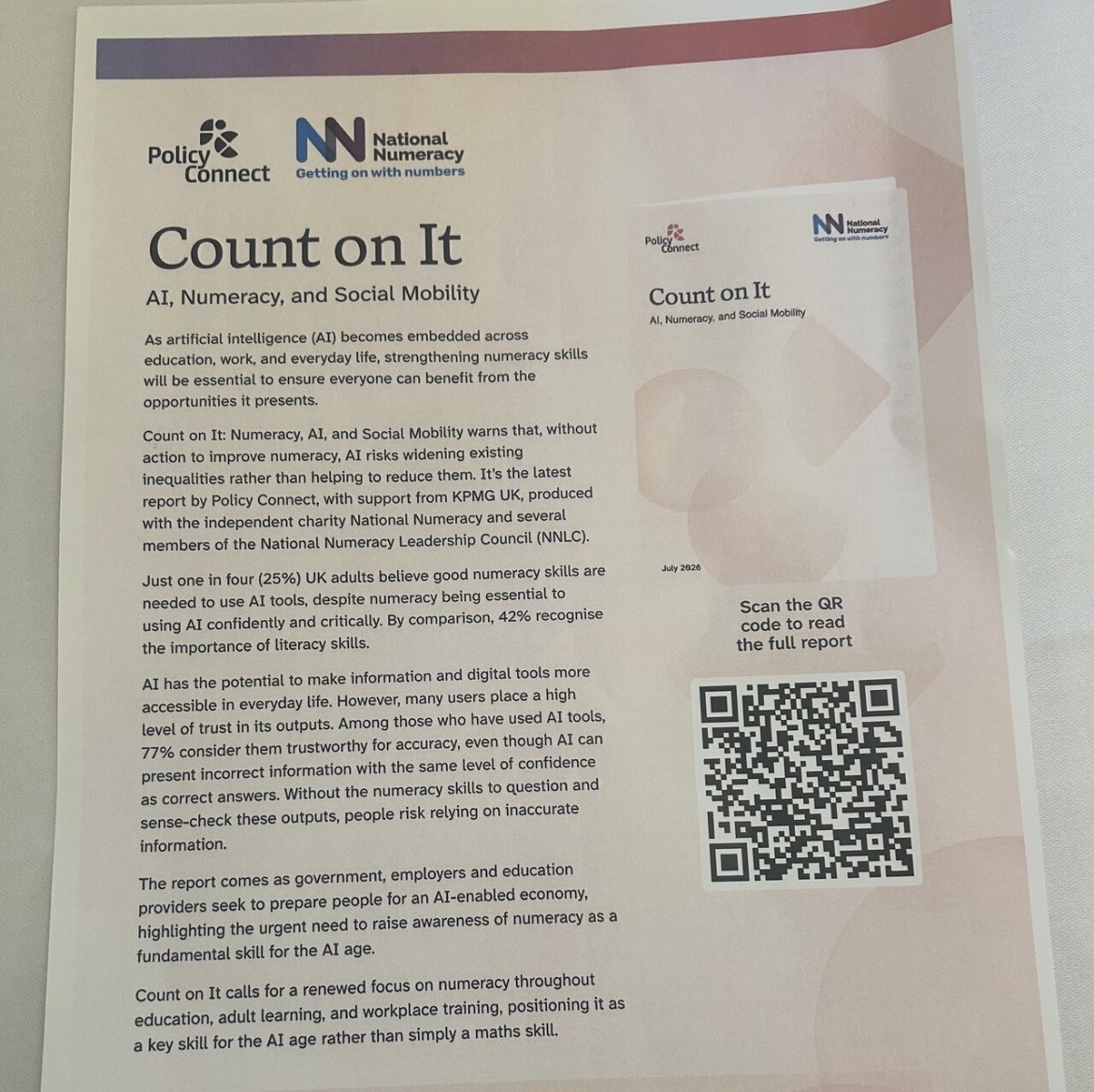
The data in this report is a massive wake-up call for our sector. The standout metric? Only 25% of UK adults believe that good numeracy skills are necessary to use AI tools.
There is an enormous awareness gap here. To safely navigate an AI-driven economy, numeracy is an essential pillar of readiness. If we want AI to uplift society rather than worsen disparities, we must recognise that a human must always remain at the helm.
Doing that successfully requires specific mathematical skills:
- Critical Thinking & Verification: The absolute superpower of the future is knowing how to interpret, evaluate, and challenge answers generated by AI.
- Probability Literacy: Users must inherently understand probability to identify errors, bias, and variance in automated data models.
- Teacher Training & Systemic Support: As highlighted in the report’s Recommendation 5, we must immediately address how these skills are embedded into schools and ensure our maths teachers are thoroughly trained to deliver them.
AI could be a phenomenal equaliser for social mobility, but without foundational numeracy, it threatens to widen the gap. This is a behavioural and cultural change just as much as a technical one. We are always better off when our communities have stronger numeracy skills.
A massive thank you and well done to the chair, Sam Sims (National Numeracy), and panellists Lord Ravensdale, Melissa Geiger, Erica Bourne, and Bobby Seagull for doing such a brilliant job of bringing the report to life during the panel discussion. This is very much the beginning of an essential conversation.
THAT’S A WRAP! Thank you for following along with this 4-part series. A huge thank you again to all the organisers, hosts, and peers at the Festival of Education, The Royal Society, LSE+ Maths Hub, National Numeracy and Policy Connect who are leading thinking and driving positive change.
If you want to revisit any of the earlier topics, you can browse through Part 1, Part 2, and Part 3 at any time.
Let’s keep the conversation going: Which of these trends do you feel is the most critical for maths classrooms over the next 5 years? Share your thoughts below!
#SocialMobility #NationalNumeracy #PolicyConnect #AIEducation #MathsSkills #HouseOfCommons #EducationPolicy

